Ottawa’s plans to address rail safety under scrutiny
2016/03/07, The Globe and Mail, GRANT ROBERTSON
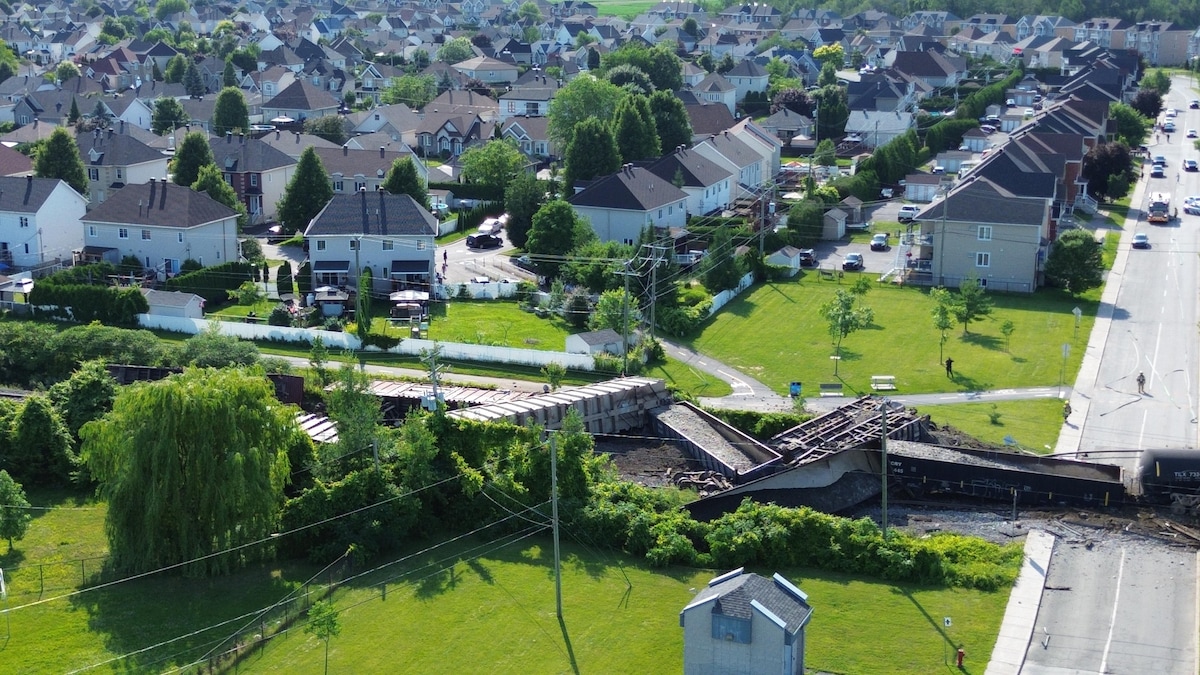
The government’s plans to address rail safety in the upcoming federal budget are coming under heightened scrutiny amid new revelations about the Lac-Mégantic rail disaster, which killed 47 people in 2013, but could have been prevented by a simple 10-second safety procedure.
The Liberal government said after last fall’s federal election that it plans to bolster rail safety in response to the Lac-Mégantic tragedy, in which a train loaded with highly volatile crude oil was left unattended and rolled down a hill into the Quebec town, where it exploded, killing dozens of people instantly.
What prominence rail safety will get in the March 22 budget is uncertain. An internal communiqué sent to Transport Canada staff on Friday and obtained by The Globe and Mail indicates the department is bracing for cuts. The memo, titled Budget Planning for Next Fiscal Year, informs staff that “the budget situation is going to continue to be difficult for the year ahead,” and recommends employees find ways to “work differently and better together.”
Within Transport Canada, a new board has been established “to review all staffing actions, and ensure they remain within the department’s salary envelope,” according to the memo, signed by deputy Minister of Transport Jean-François Tremblay.
Staffing levels at the department were called into question after the Lac-Mégantic explosion, when a report by the Auditor-General of Canada raised alarms about Transport Canada’s ability to enforce its own safety rules. Among the key concerns was a shortage of safety inspectors and auditors to catch rule violations by railways, and to ensure those companies were adhering to safety standards.
The Globe and Mail reported on Monday that new information provided by an expert source inside the rail industry reveals the Lac-Mégantic disaster could have been prevented had the train operator used a 10-second safety procedure the night of the crash.
Turning a lever inside the cab and activating the automatic air brakes on the train’s more than 70 rail cars, coupled with the minimal number of handbrakes set that night, would have been enough to hold the train in place for at least a day, if not considerably longer.
…
Ms. Collins said MMA should not have been allowed to write its own safety procedures, particularly when carrying potentially explosive oil. “They should have never been allowed to do what they were allowed to do. They took shortcuts,” Ms. Collins said.
Article complet: